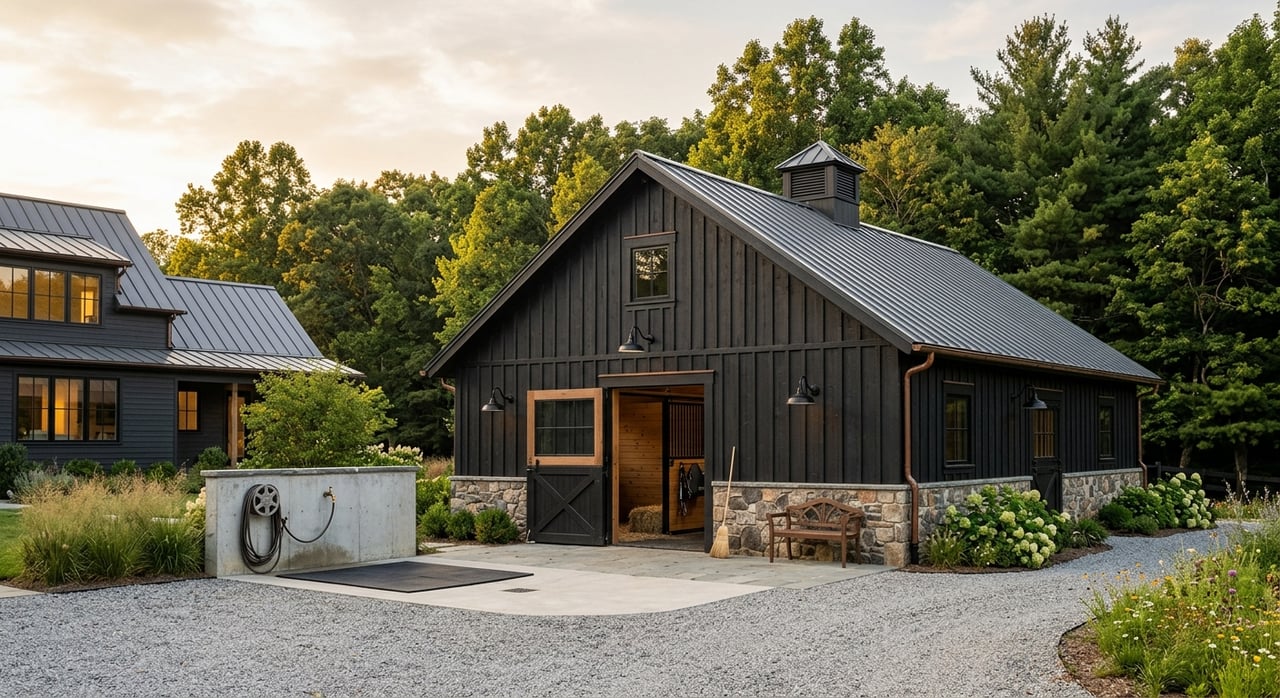
If you are looking for an equestrian property in College Grove, you already know this is not a typical home search. A beautiful house on acreage can look perfect at first glance, but horse property value and usability depend on much more than curb appeal. When you understand zoning, land layout, barns, drainage, and long-term costs, you can make a much more confident decision. Let’s dive in.
Why College Grove horse properties need extra review
College Grove offers a rural setting that appeals to buyers who want space, privacy, and room for horses. But not every property in the area is set up for equestrian use, and not every parcel can legally support the same kind of horse activity.
Part of the reason is local planning. The College Grove Special Area Plan is designed to preserve the area’s village character and open space, and lot standards vary depending on the subarea. In the Village Core, the minimum residential lot area is 15,000 square feet, while the General Village Subarea requires a minimum of one-half acre.
That difference matters because some parcels may be too small or too constrained for practical horse use. Before you fall in love with a property, it is smart to confirm its parcel details through the county’s GIS maps and zoning resources and then verify current status with county Planning staff, since the county notes its online ordinance is only a reference copy.
Start with the intended horse use
One of the most important questions is simple: do you want a private setup for your own horses, or do you want a property that could support a larger equestrian operation?
Williamson County treats equestrian facilities as a distinct use under its zoning ordinance. The code also separately identifies stables accessory to a residential use. In practical terms, that means keeping a few personal horses is not the same as operating a boarding, lesson, or event-based property.
If your goals are not clear from the start, it is easy to look at the wrong inventory. A buyer searching for a hobby-scale horse property may have very different needs than a buyer who wants stalls, riding areas, and infrastructure for overnight animals.
Check zoning before anything else
Zoning is one of the first filters for equestrian property in College Grove. You want to know what the property is today, what uses are allowed, and whether existing improvements match current rules.
Under the current county ordinance, an equestrian facility requires a minimum of 15 acres. The code also limits density to one equine per two acres, requires one inside stall for every two animals kept overnight, and sets specific setbacks for corrals, riding areas, manure, feed, bedding, roofed structures, and run-in sheds.
For example, the ordinance requires:
- 100-foot setbacks for outdoor corrals, riding areas, manure, feed, and bedding
- 150-foot setbacks for roofed structures
- 15-foot side and rear setbacks for run-in sheds
- 50-foot front setbacks for run-in sheds
Pastures may extend to a property line, but that does not mean every other horse-related improvement can. This is why parcel-by-parcel review is essential.
Focus on usable acreage
Acreage alone does not tell you whether land will work well for horses. What matters is usable acreage, not just the number shown in the listing.
Extension guidance recommends relatively flat, fertile ground for pasture and warns against giving horses direct access to streams, wetlands, or other sensitive areas. It also notes a common grazing-season benchmark of about one horse per two acres and recommends dry lots of at least 400 square feet per horse.
When you walk the property, look at more than open space. Pay attention to:
- Pasture shape and layout
- Drainage and low spots
- Wet areas or stream access
- Gate placement
- Water access
- Trailer turnaround and equipment access
A property can have generous deed acreage but still offer limited safe, functional horse space if the land is steep, muddy, oddly shaped, or interrupted by protected or wet areas.
Inspect fencing, footing, and drainage
For horse property, these details affect both daily use and safety. They also influence what you may need to repair or upgrade after closing.
According to Rutgers equine facility guidance, pasture fencing should be sturdy and generally 4 to 6 feet high. The same guidance recommends removing protrusions, debris, and standing water, and making sure arenas have suitable footing free of ruts and holes, with ring fencing at least 4 feet high.
As you evaluate a property, ask yourself:
- Is the fencing secure and consistent?
- Are there signs of erosion or poor drainage?
- Does the arena or riding area appear level and maintained?
- Do gates open wide enough for equipment and trailers?
These are not small details. They affect horse safety, maintenance costs, and how quickly you can begin using the property as intended.
Evaluate barns as working spaces
A barn may photograph well and still fall short in everyday function. When you tour equestrian property, think like an operator, not just a homeowner.
Rutgers recommends clear aisles, safe electrical systems, fire extinguishers, well-drained wash areas, secure tack storage, and hay storage away from heat and electrical sources when possible. It also highlights the need for roads and driveways wide enough for trailers and equipment.
That means your checklist should include:
- Stall count and layout
- Aisle width and circulation
- Electrical safety
- Ventilation and drainage
- Tack and feed storage
- Trailer-friendly driveway access
A barn’s value comes from how well it supports your day-to-day routine. Square footage alone is not enough.
Verify permits and accessory structures
Outbuildings can add major value, but only if they are placed and permitted correctly. Barns, sheds, arenas, and converted spaces should all be reviewed carefully.
Williamson County’s ordinance states that for lots of five acres or more, accessory structures have specific placement options, and total accessory coverage cannot exceed 20 percent of lot area. The county’s Codes Compliance office enforces zoning, permit, and accessory-structure issues in unincorporated areas.
For buyers, this means you should ask for records on barns, additions, accessory dwellings, and any converted spaces. For sellers, having that documentation ready can reduce delays and build buyer confidence.
Ask hard questions about septic and utilities
On acreage property, utilities deserve more attention than they often get in a traditional neighborhood sale. Septic capacity, wastewater approvals, and water access can all affect how you use the property now and later.
Williamson County’s Sewage Disposal page notes that amendments were adopted on March 17, 2026, and that further changes may follow. Because of that, buyers and sellers should verify current wastewater capacity and approvals for the home and for any planned additions such as wash stalls, guest space, or expanded living areas.
This is especially important if you are considering renovations or future expansion. A property that works for your needs today may have limits on what can be added tomorrow.
Understand greenbelt before you buy
If you are looking at larger parcels, greenbelt status may affect carrying costs and future planning. It can be helpful, but it also comes with rules.
According to Williamson County’s Greenbelt information, qualifying land is taxed based on present use rather than market value. Agricultural land consideration requires at least 15 acres, actual qualifying use is required, and rollback assessments may apply if the land no longer qualifies or is converted.
New owners must reapply, and applications are due by March 15. If a property is marketed with greenbelt benefits, you should confirm the current classification, the reapplication process, and any potential rollback exposure before making an offer.
Pricing horse property is different
Equestrian property is rarely priced like a standard suburban home. The house matters, but value is also tied to legal use, land quality, access, and improvements.
USDA appraisal guidance explains that comparable sales should share similar physical and economic characteristics and the same highest-and-best-use profile. Appraisals should consider zoning, minimum lot size, access, water features, topography, drainage, and improvements.
That is why generic neighborhood comps may not tell the full story. A property with usable pasture, solid fencing, safe trailer access, and functional horse infrastructure may deserve a very different pricing analysis than a similarly sized home with acreage but no equestrian utility.
What sellers should document
If you are selling an equestrian property in College Grove, good documentation can strengthen your pricing strategy and reduce buyer uncertainty. Horse-property buyers tend to ask more detailed questions, and they should.
It helps to organize the essentials before the home goes live, including:
- Acreage and usable pasture details
- Fencing type and condition
- Water sources
- Barn size and stall count
- Arena or riding area footing
- Trailer and equipment access
- Drainage details
- Permits for major improvements
- Greenbelt status, if applicable
Because these features affect both value and legal use, they should be presented clearly and accurately. This is one reason equestrian listings often benefit from a more tailored marketing and pricing approach.
A smart buyer and seller checklist
Whether you are buying or selling, these are the key first steps:
- Confirm the parcel on the county GIS map.
- Verify whether the property sits in the College Grove Village District or another zoning district.
- Clarify whether the intended use is a private residential stable or a full equestrian facility.
- Measure usable acreage, not just deed acreage.
- Review fencing, drainage, gates, and trailer access.
- Gather permits and approvals for barns, arenas, additions, and accessory structures.
- Verify septic, wastewater, and water details.
- Confirm greenbelt status and reapplication requirements if relevant.
When you take these steps early, you can avoid surprises and make stronger decisions.
Buying or selling equestrian property in College Grove calls for more than a standard home search or listing plan. You need a clear view of zoning, land utility, improvements, and long-term value so you can move forward with confidence. If you want experienced guidance tailored to acreage and specialty properties in Williamson County, connect with Mary Brown for thoughtful, hands-on support.
FAQs
What should you verify before buying equestrian property in College Grove?
- Confirm zoning, intended horse use, usable acreage, fencing, drainage, permits, septic status, and greenbelt details before closing.
How much land do you need for an equestrian facility in Williamson County?
- Under the current county zoning ordinance, an equestrian facility requires a minimum of 15 acres, with a density limit of one equine per two acres.
Are private horse properties and equestrian facilities treated the same in Williamson County?
- No. The county code separately classifies equestrian facilities and stables accessory to a residential use, so the rules may differ depending on the property’s intended use.
Why does usable acreage matter for horse property in College Grove?
- Usable acreage matters because steep ground, drainage issues, wet areas, or poor layout can reduce how much land is practical and safe for horses.
What should sellers highlight when marketing an equestrian property in College Grove?
- Sellers should clearly document acreage, usable pasture, fencing, water sources, barn and stall count, arena footing, trailer access, drainage, permits, and greenbelt status if applicable.