If you are house hunting in Franklin, one question can shape your entire search: do you want the texture and personality of a historic home, or the ease and predictability of new construction? Both options can be a great fit, but they offer very different day-to-day experiences. This guide will help you compare how each choice looks, lives, and feels in Franklin so you can focus on the home that truly fits your lifestyle. Let’s dive in.
Franklin offers both old and new
Franklin stands out because it has made room for preservation and growth at the same time. The city’s preservation planning is designed to balance new investment with protecting the character that makes Franklin special.
That balance shows up clearly in the housing options available to you. Near downtown, you will find some of Franklin’s oldest homes and buildings, many dating to the 19th and early 20th centuries. In newer communities around Franklin, you will often see modern layouts, shared amenities, and more access-focused planning.
Why buyers love historic Franklin
If you are drawn to architecture with personality, historic Franklin may immediately feel right. The downtown historic district includes a range of styles such as Federal, Greek Revival, Italianate, and Victorian, which gives the area a layered, distinctive look.
For many buyers, the appeal goes beyond the house itself. Franklin’s downtown district centers around the public square and courthouse, and Main Street is lined with boutiques, restaurants, art galleries, and other businesses in historic buildings. If you want to be close to daily activity, events, and a well-established streetscape, this part of Franklin offers a very specific kind of lifestyle.
Historic homes often feel more individual
One of the biggest draws of older homes is that they rarely feel identical. In historic Franklin, homes are often chosen for their architectural detail, mature setting, and individuality rather than a standardized floor plan.
That can be a major advantage if you want a home with presence and story. It also means you should expect more variation from one property to the next, even on the same street.
Historic floor plans may be less predictable
Because many homes near downtown were built long before today’s open-concept preferences, layouts can feel different from what you may see in newer neighborhoods. Some have more separated rooms, and some have additions or renovations layered in over time.
That does not make them better or worse. It simply means you may need to think more carefully about how you live day to day, especially if you work from home, host often, or want a certain amount of flexibility in your space.
What to expect with historic ownership
Owning a historic home in Franklin often means taking on a stewardship role along with homeownership. If a property is in the Historic Preservation Overlay District, most exterior changes require a Certificate of Appropriateness before work begins.
That review process can apply to a wide range of projects, including additions, roofing, siding, window replacements, fences or walls, signs, awnings, and some HVAC screening. In short, exterior work may take more planning than it would on a home outside the overlay district.
Renovations may require more patience
Historic improvements are often less straightforward than updates in a newer home. Preservation standards generally emphasize repair over replacement, and when replacement is necessary, new work should match the original design and materials as closely as possible.
For you, that can mean more coordination, more careful material choices, and more specialty labor. If you enjoy preserving character and are comfortable with a more deliberate process, that may feel worthwhile. If you want quick, simple updates, it may feel restrictive.
Why buyers choose new construction
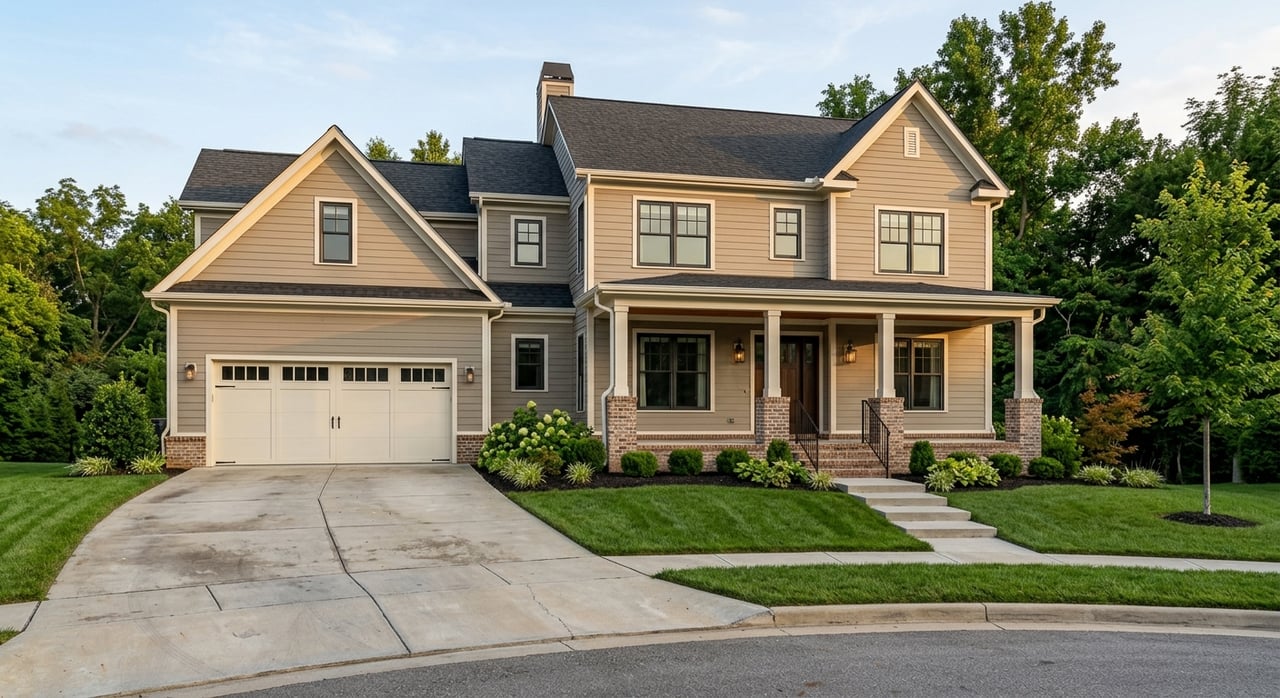
Newer communities in Franklin are often built around convenience, amenities, and function. For many buyers, especially relocations and move-up purchases, that can make the transition feel smoother.
Communities like Berry Farms and Westhaven highlight a more planned living experience. These areas emphasize pedestrian-friendly design, neighborhood amenities, and practical access to shopping, dining, parks, and regional routes.
New homes usually offer more modern layouts
If your priority is day-to-day ease, new construction may have the edge. Newer homes in Franklin often feature more standardized plans and function-driven spaces designed around how people live now.
Examples in newer communities include three-story townhomes, flex rooms, private living areas on upper floors, and even personal elevators in some designs. That can be especially appealing if you need space for work, guests, or a longer-term living plan.
New construction can feel more predictable
One of the biggest benefits of newer homes is the cleaner baseline. With newer systems, more standardized construction, and builder warranties in some cases, the first years of ownership may feel more manageable.
For example, Westhaven highlights features such as all-electric homes, low-E windows, smart thermostat control, and builder warranty coverage. For many buyers, that translates into fewer early repair surprises and a more straightforward move-in experience.
How daily life really differs
The choice between historic charm and new construction is not only about appearance. It is also about how you want your everyday life to function.
Historic homes near downtown often appeal to buyers who want character, visibility, and easy access to Main Street life. Newer communities often appeal to buyers who want flexibility, amenities, and a lower-friction ownership experience.
Historic Franklin fits a certain rhythm
If you picture walking to dining, shopping, local events, and civic spaces, the historic core offers Franklin’s most concentrated version of that lifestyle. The setting feels established and visually rich, with architecture and streetscapes shaped over many decades.
That said, the tradeoff may be more maintenance planning and more rules around exterior changes. You are buying into both the beauty and the responsibility that come with preservation.
Newer Franklin fits a different rhythm
If you value neighborhood amenities, standardized features, and a more planned residential environment, newer communities may make more sense. Places like Berry Farms and Westhaven show that newer Franklin neighborhoods can still feel walkable and connected, even if they offer a different experience than downtown.
In many cases, the lifestyle is less organically urban and more amenity-based. That can be a strong advantage if you want community features, easier upkeep, and practical access to major routes.
Questions to ask before you decide
When buyers compare historic and new homes in Franklin, the right answer usually comes down to lifestyle more than looks. A beautiful house only works if it supports how you want to live.
Here are a few smart questions to ask yourself:
- Do you want to walk to Main Street businesses and events, or would you rather have neighborhood amenities close by?
- Are you comfortable working through approval processes for exterior changes?
- Do you prefer a one-of-a-kind floor plan or a more predictable modern layout?
- How important are builder warranties and newer systems to your peace of mind?
- Does stair count matter for your long-term plans?
- Do you need flex space for work, guests, or multigenerational living?
A simple way to frame the decision
In Franklin, historic homes are often about character, walkability, and stewardship. New construction is often about convenience, flexibility, and predictability.
Neither choice is automatically better. The better fit depends on how long you expect to stay, how much maintenance you want to manage, and whether your lifestyle centers more on downtown access or neighborhood amenities.
With so many strong options in Franklin, the key is not choosing the "best" category. It is choosing the home that matches your priorities now and still feels right a few years from today.
If you want help weighing historic charm against new construction in Franklin, Mary Brown offers experienced buyer guidance, relocation support, and local insight to help you narrow the field with confidence.
FAQs
Do historic homes in Franklin TN require approval for exterior changes?
- Yes. If the home is in the Historic Preservation Overlay District, most exterior changes require a Certificate of Appropriateness before work begins.
Are new construction neighborhoods in Franklin TN walkable?
- They can be. Communities like Berry Farms and Westhaven are designed with pedestrian-friendly features and close access to shops, parks, and other amenities.
Do historic homes in downtown Franklin TN have open floor plans?
- Some may, but many historic homes have more varied room-by-room layouts or additions that reflect the age of the home.
Is new construction in Franklin TN easier to maintain than a historic home?
- In many cases, yes. Newer homes usually have newer systems, more standardized construction, and may include builder warranties, while historic homes often involve more specialized maintenance and review requirements.
What matters most when choosing between historic and new homes in Franklin TN?
- The biggest factors are usually your preferred lifestyle, comfort with maintenance, need for flexible space, interest in amenities, and how much daily access to downtown matters to you.