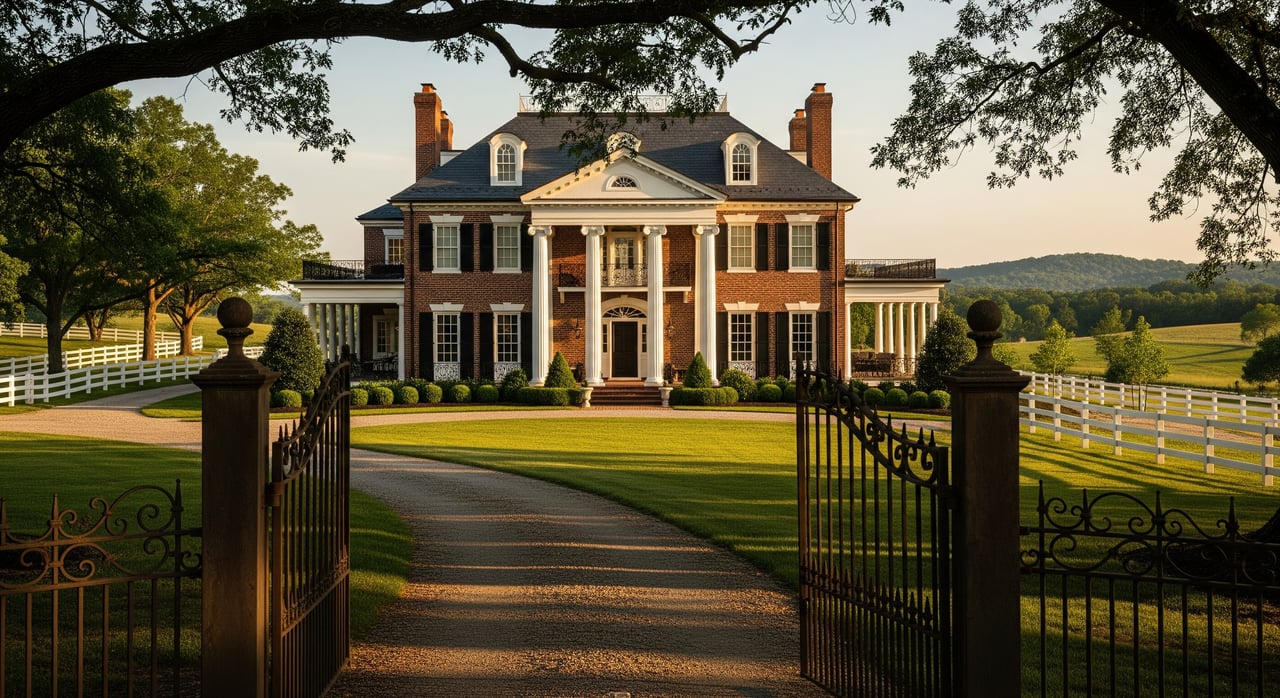
Thinking about moving to Franklin and buying a home within the next 90 days? You are not alone. Many buyers relocate here for work, lifestyle, and community, and the process can feel complex from a distance. This guide gives you a clear, step-by-step plan tailored to Franklin and Williamson County, so you can make confident decisions and minimize surprises. Let’s dive in.
Know the Franklin market
Franklin sits in Williamson County just south of Nashville, with commuting routes along I-65, Franklin Road, and State Route 96. Drive times change by time of day, so plan to test your commute during the hours you expect to travel. This helps you refine neighborhood choices early.
You will find a mix of historic homes near downtown, master-planned communities with modern amenities, classic suburban subdivisions, and semi-rural properties with acreage. Inventory and competition vary by neighborhood and price point. In some areas, desirable homes can move quickly, so preparation matters.
School zones are address-based. Parts of Franklin are served by Williamson County Schools and some by the Franklin Special School District. Because boundaries can change, verify the current school assignment for any address during your search.
If you plan to renovate, note that homes in Franklin’s historic districts may require exterior design review. Also, parts of Franklin lie near the Harpeth River and other waterways, so check flood maps and ask about local drainage history. Utilities differ by location. Inside city limits you will typically see municipal water and sewer. Outside city limits, some properties use well and septic systems that require specific inspections.
Your 90-day plan
Days 1 to 30: Prepare
- Get fully preapproved, not just prequalified. Discuss loan types, down payment, and projected monthly costs with your lender, and request a written preapproval letter.
- Build a realistic budget that includes closing costs, moving expenses, initial repairs, and reserves.
- Define must-haves versus nice-to-haves, such as commute needs, lot size, HOA preferences, and home age or style.
- Research Franklin neighborhoods, then map likely commutes at your actual travel times to narrow your focus.
- Choose your local agent, lender, and identify inspectors, a title company or closing attorney, and movers to interview.
- Start insurance quotes early, including flood coverage if the property location suggests it. If you have children, gather school enrollment documents.
Days 31 to 60: Search and offer
- Tour actively. If you are remote, use live virtual tours and high-quality video, and plan a targeted visit if you can to see finalists in person.
- Review a comparative market analysis for each contender to set a smart offer price and strategy.
- Align your contingencies with conditions in the neighborhood. Discuss inspection, appraisal, financing, earnest money, and timelines with your agent.
- Be ready to act quickly on standout homes. Ensure funds for earnest money are accessible and confirm secure wire procedures with your closing professional.
Days 61 to 90: Due diligence to close
- Schedule inspections right after acceptance. Consider general, termite or pest, radon, HVAC, roof, sewer scope, chimney, and specialty inspections. For properties off sewer and municipal water, schedule septic and well evaluations.
- Review reports with your agent and decide whether to request repairs, credits, or proceed as-is within the agreed timeline.
- Your lender will order the appraisal. Respond quickly to underwriting requests and be ready to discuss options if the appraisal comes in lower than the contract price.
- Coordinate with the title company or closing attorney on title insurance, closing statements, and your homeowner’s insurance binder. Set utility start dates to match closing and move-in.
- Complete your final walk-through to confirm condition, then close and move according to your plan. After move-in, update your driver’s license and vehicle registration with Tennessee and handle voter registration.
Franklin checks that matter
- Historic districts: If you buy near downtown, exterior changes may require design review. Clarify rules before you plan renovations.
- Floodplains and drainage: Ask about previous water issues and review flood maps. If the home is in a mapped flood zone and you have a loan, flood insurance is typically required.
- Utilities: Confirm whether the home uses municipal water and sewer or a private well and septic. Budget for inspections and ongoing maintenance if applicable.
- HOAs and covenants: Many newer communities have HOAs. Review CC&Rs, budgets, meeting minutes, and any special assessments during your due diligence.
- Disclosures and title: Tennessee sellers typically provide a property disclosure. Read it closely and consult your title company on any liens or title defects.
- Schools: Verify current school assignments for the property address. Ask about transfer procedures if boundaries are under review.
- Lenders and contracts: Consider talking with a lender who knows Williamson County. Local agents commonly use standard Tennessee Association of REALTORS forms that define timelines and contingencies.
Remote buyer tips
- Use structured virtual tours. Ask for slow, detailed video that includes street views, nearby properties, rooflines, mechanicals, attic or crawlspaces, and noise checks at different times of day.
- Combine virtual with a focused in-person visit if possible. See finalists back-to-back with a clear scoring sheet.
- Lean on a trusted inspector. Order specialty inspections that match the home’s age and systems.
- Build a strong offer package. Pair a preapproval letter with clear timelines and earnest money instructions.
- Keep documents secure. Confirm wiring instructions by phone with the title company before sending any funds.
Budget and closing costs
- Closing costs: Expect lender fees, title insurance, recording fees, and prepaids for taxes and insurance. Your lender can provide tailored estimates.
- Property taxes: These are assessed locally. Review current assessments and ask your agent or title company how to obtain recent tax bills for a specific property.
- Insurance: Get quotes early, including separate flood coverage if needed. Factor in wind or other endorsements depending on the property.
- HOA expenses: If applicable, include dues and any pending assessments in your monthly budget.
- Earnest money and reserves: Keep funds accessible for deposits and post-closing reserves so you can act quickly.
Move-in logistics checklist
- Utilities: Confirm whether the address uses city services or private systems. Schedule electric, water or sewer, gas if applicable, trash, and internet setup to align with move-in.
- Title and keys: Verify closing day logistics, key handoff, and access codes before movers arrive.
- Registrations: After you settle in, update your driver’s license and vehicle registration with Tennessee and complete voter registration.
- School enrollment: Submit required documents early if you have children and confirm start dates.
- Contractors and services: Line up HVAC, pest, plumbing, and landscaping pros for any immediate needs.
Why work with Mary Brown
Buying in Franklin is about more than price and bedrooms. You need a local partner who understands neighborhood nuances, school zoning, renovation rules, and how to win in a competitive offer situation. With decades of experience in Williamson County and a concierge-style approach, you get senior-level strategy, clear communication, and hands-on help from search through closing.
Whether you are relocating from across town or across the country, your purchase should feel organized and informed. If you are ready to build your 90-day plan and want a trusted local guide, connect with Mary Brown to get started.
FAQs
How competitive is buying in Franklin right now?
- Competitiveness varies by neighborhood and price point. Some areas see multiple offers while others have more inventory. Your agent can tailor strategy to current conditions.
Should I buy before I move to Franklin or wait?
- Buying before arrival can lock in a home and price, but in-person evaluation can be challenging. A strong approach is to get preapproved, then make a focused visit to see finalists.
Do I need flood insurance in Franklin?
- If the home is in a federally mapped floodplain and you have a loan, lenders typically require it. Even if not required, consider coverage for homes near waterways.
What inspections are best for older Franklin homes?
- Consider general, termite or pest, chimney, roof, electrical, plumbing, and possibly lead-based paint evaluation for older construction. Add drainage and foundation checks.
How do HOAs affect my Franklin purchase?
- HOAs bring rules and fees that can impact renovations, exterior appearance, and pets. Review CC&Rs, budgets, and meeting minutes during due diligence.
What timelines should I expect from contract to closing?
- Timelines follow the contract and local forms. You will typically have an inspection period, appraisal and underwriting steps, and a negotiated closing date. Quick responses help keep things on track.