
Thinking about selling your Brentwood home and wondering if you should list in winter or wait for spring? Timing can shape how many buyers see your home, how fast it sells, and what price you achieve. You want a plan that fits your goals, not a one-size-fits-all rule. In this guide, you’ll compare winter and spring in Brentwood, see what to expect in each season, and learn the data to watch so you can pick the right moment. Let’s dive in.
Winter vs. spring at a glance
Across the U.S., buyer activity usually builds in late winter, peaks in spring, then tapers through summer and fall. Spring often brings more showings and new listings, which can support stronger offers when demand is high. Winter usually has fewer listings and a smaller buyer pool, but the buyers who are out tend to be more motivated.
Brentwood follows many of these patterns, with added factors like school schedules and corporate relocations. With milder Middle Tennessee winters, showings typically continue, although occasional ice or storms can pause activity briefly. Small shifts in local inventory can also make a big difference, especially in higher price points.
Brentwood specifics to weigh
Family and school timing
Many families prefer moves that align with the school calendar. Listing so you can close in late spring or early summer can be attractive to those buyers. If you list in winter, you can still target a late spring close with the right terms.
Commutes and relocations
Proximity to Nashville and nearby job centers means you may see relocation-driven buyers year-round. These buyers often have set start dates and need to move quickly, which can benefit winter listings.
Weather and showing conditions
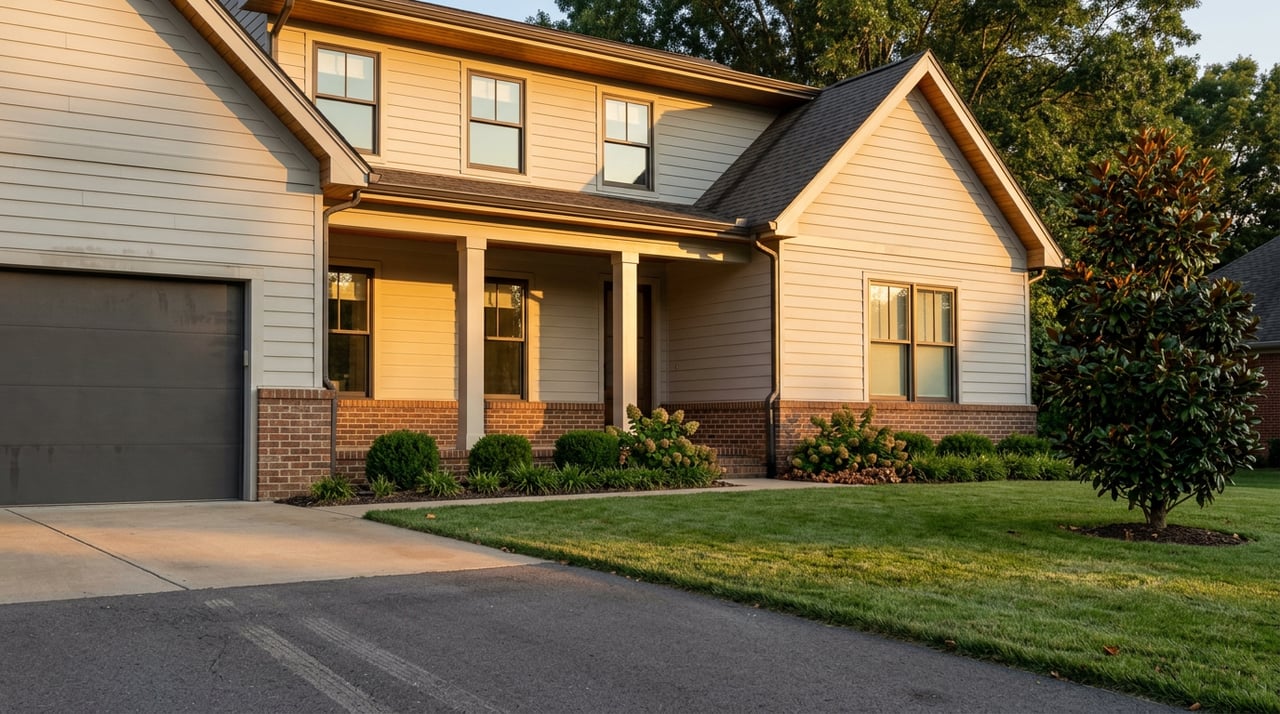
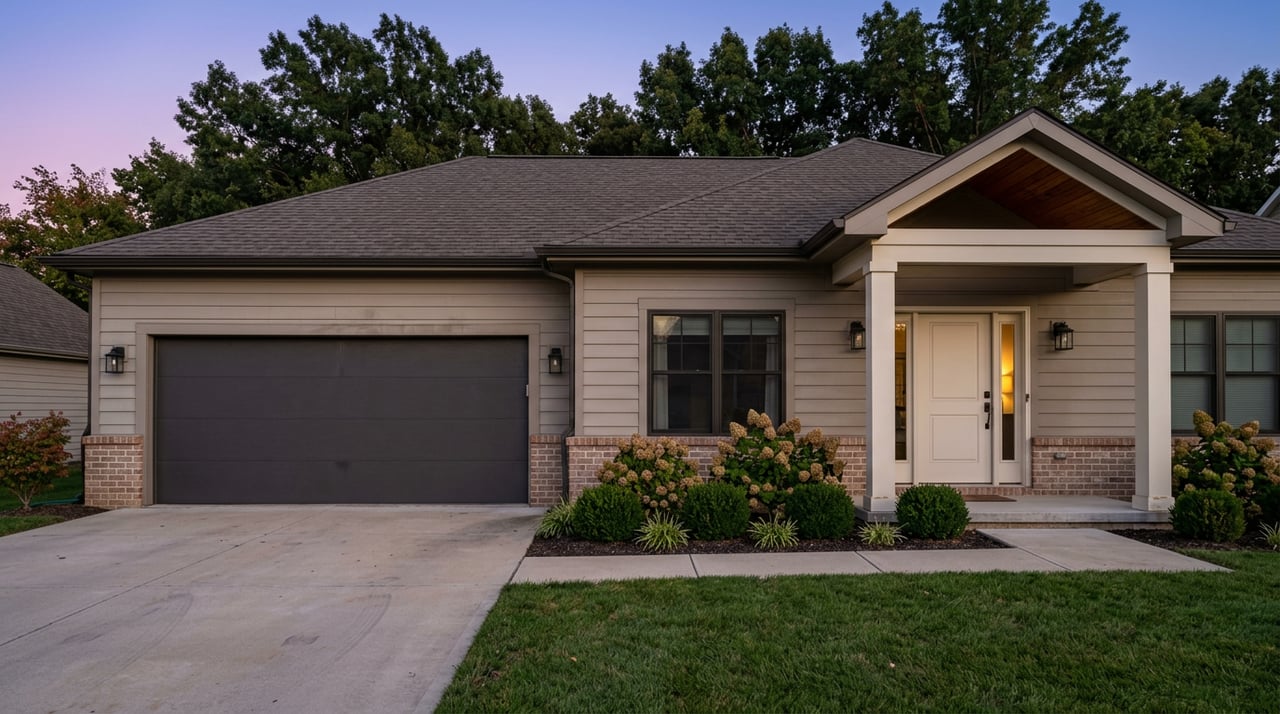
Winters are generally mild, so showings continue, but landscaping is dormant. Spring naturally boosts curb appeal, which can help your home stand out in photos and in person.
Pros and cons by season
Winter advantages
- Less competition from other listings.
- Buyers are often motivated and decision-ready.
- Potential for faster wins if you are well priced and well presented.
Winter trade-offs
- Smaller buyer pool and fewer showings.
- Curb appeal is muted, so interior staging matters more.
- Pricing may need to be more conservative to draw attention.
Spring advantages
- Larger buyer pool and stronger showing traffic.
- Curb appeal and outdoor spaces shine.
- In active segments, competition among buyers can support higher prices.
Spring trade-offs
- More competing listings in your price range.
- You need standout marketing and staging to rise above the noise.
- Scheduling can be busier, so plan prep early.
Price, speed, and competition
In many markets, spring’s larger buyer pool can shorten days on market and support stronger offers. Winter sales can still move quickly when a home is priced correctly and presented well, but the pool is smaller, so you need to capture attention fast. Your price band matters too, since different segments move at different speeds in Brentwood’s micro-markets.
Curb appeal and presentation
Prep for a winter listing
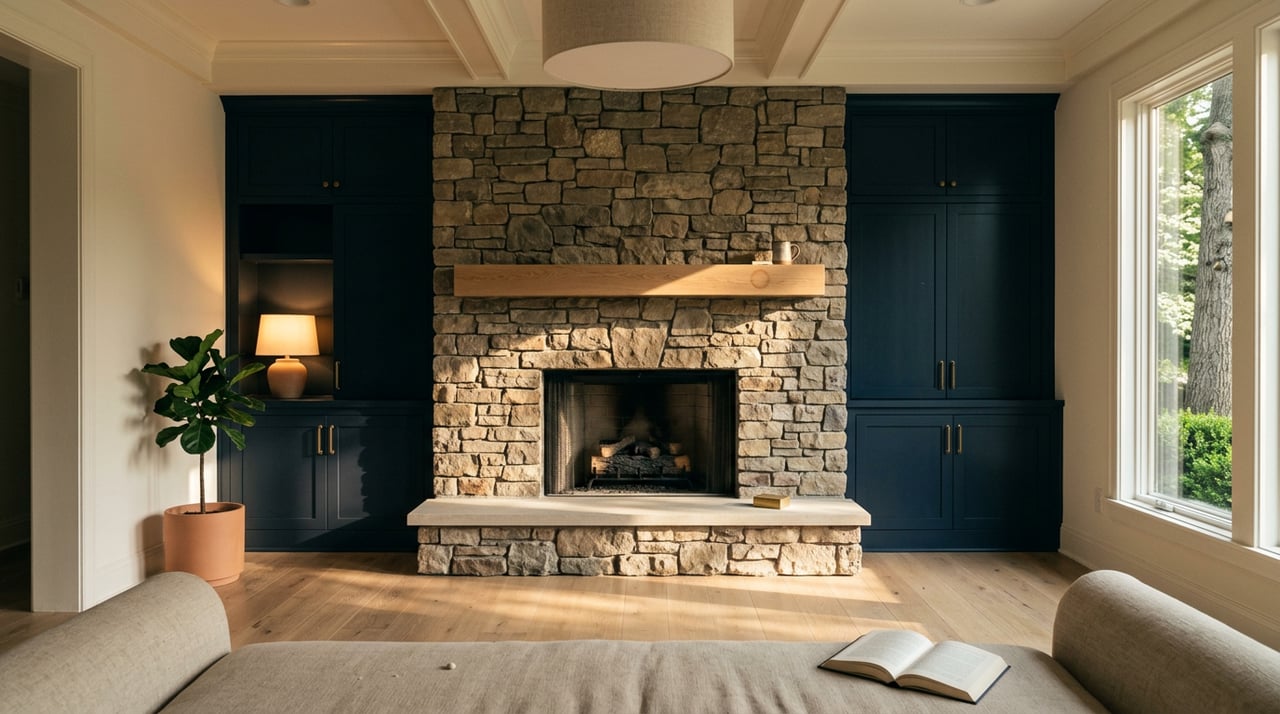
- Prioritize interior staging, lighting, and warmth to create an inviting feel.
- Highlight energy efficiency and recent system updates.
- Use professional photos, floor plans, and video to increase engagement.
Prep for a spring listing
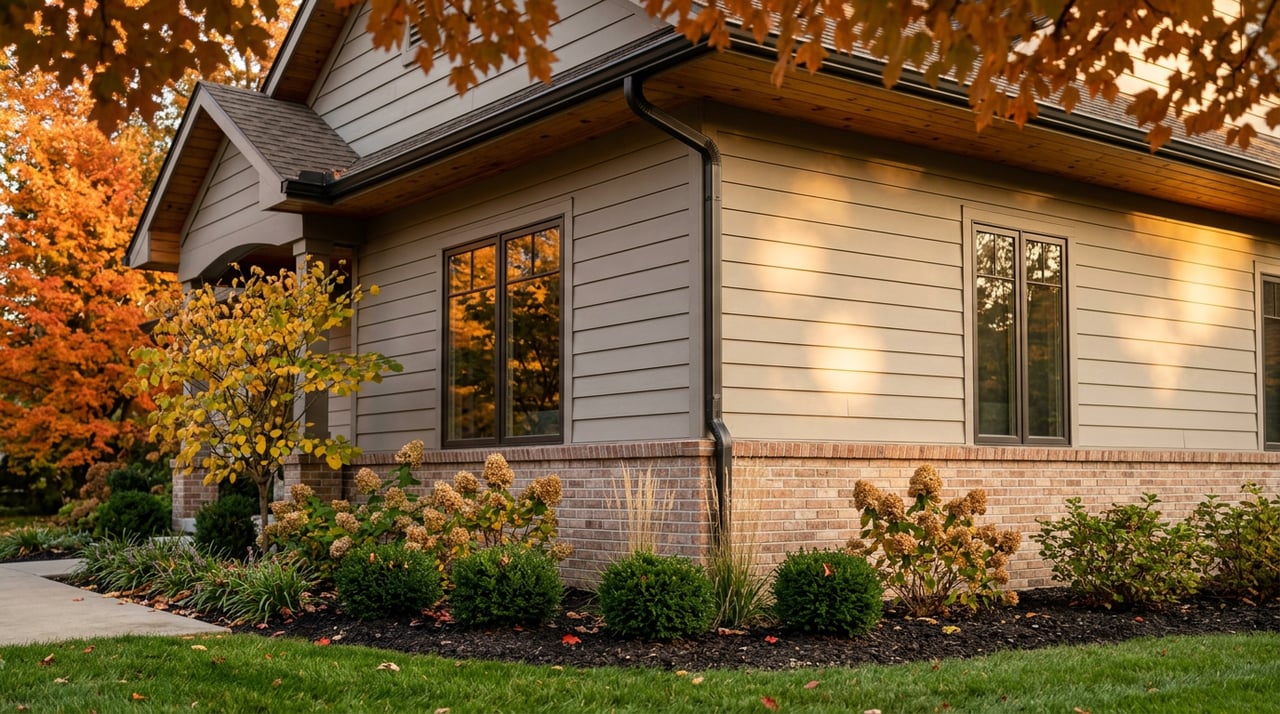
- Refresh mulch, clean beds, and trim hedges to boost curb appeal.
- Showcase outdoor living areas, decks, and pools.
- Schedule photography when landscaping begins to green up.
Rates and financing impact
Interest rates can amplify or dampen demand in any season. If rates rise, you may see fewer buyers even in spring. If rates ease, spring activity can surge. Track rate trends and the share of cash or conventional purchases to understand how sensitive your segment might be.
Check these local metrics
Before you choose timing, review current Brentwood data so your plan fits the market you are entering:
- Active listings and new listings by month, especially in your price range.
- Pending sales and closed sales to gauge current demand.
- Median sale price and list-to-sale price ratio to read seller leverage.
- Median days on market for realistic timing expectations.
- Months of inventory or absorption rate to see who has the edge.
- Price performance by segment, such as under $1M, $1–2M, and $2M+.
- Mortgage rate trends and the share of cash purchases.
- Local school calendar dates to plan for late spring or early summer closings.
Your agent can pull these from the local MLS and provide neighborhood-level insights.
Sample listing timelines
- Listing in late February to March: Capture early spring buyers as curb appeal improves. Complete repairs, staging, and photos in January to early February.
- Listing in December to January: Face less competition and attract motivated buyers. Lean into interior staging and pricing discipline.
- Pre-market or “Coming Soon” in late winter: Build early demand before the spring surge, while following MLS rules.
Negotiation expectations
In winter, expect motivated buyers who may ask for timing flexibility tied to relocations or specific start dates. In spring, multiple-offer situations can occur in hot segments, so tools like escalation clauses, short contingency windows, and pre-inspections may help you secure stronger terms. Plan your approach with your agent before you hit the market.
Which season fits your goals
- Maximize price: If local data show strong spring demand, position for spring to reach more buyers.
- Minimize competition or close quickly: Consider late winter, especially if you have a job start date or tax-year needs.
- Align with school schedules: List in late winter or early spring so you can close in late spring or early summer.
- Balanced or cooling market: Focus on standout presentation and data-driven pricing, and list when inventory in your segment is lowest.
Ready to decide?
The best timing blends your goals with real, current Brentwood data. With a tailored plan for staging, pricing, and negotiation, you can win in either season. If you want a clear, step-by-step path to market, connect with Mary Brown for a custom timing and preparation plan.
FAQs
Is winter a bad time to sell in Brentwood?
- Not necessarily; winter brings fewer listings and motivated buyers, so strong staging and smart pricing can still deliver a solid result.
Do homes sell for more in spring in Brentwood?
- Often yes in active segments, since more buyers compete, but confirm with recent local metrics like list-to-sale ratios and days on market.
How do school calendars affect listing timing?
- Many families prefer moves that avoid in-term changes, so listing to close in late spring or early summer can expand your buyer pool.
What should I do first if I plan to list in spring?
- Start 4 to 8 weeks ahead with repairs, decluttering, staging, and scheduling photography to capture early spring buyers.
How do interest rates change the timing decision?
- Higher rates can reduce demand even in spring; lower rates can boost activity, so track rate trends alongside local inventory and pendings.