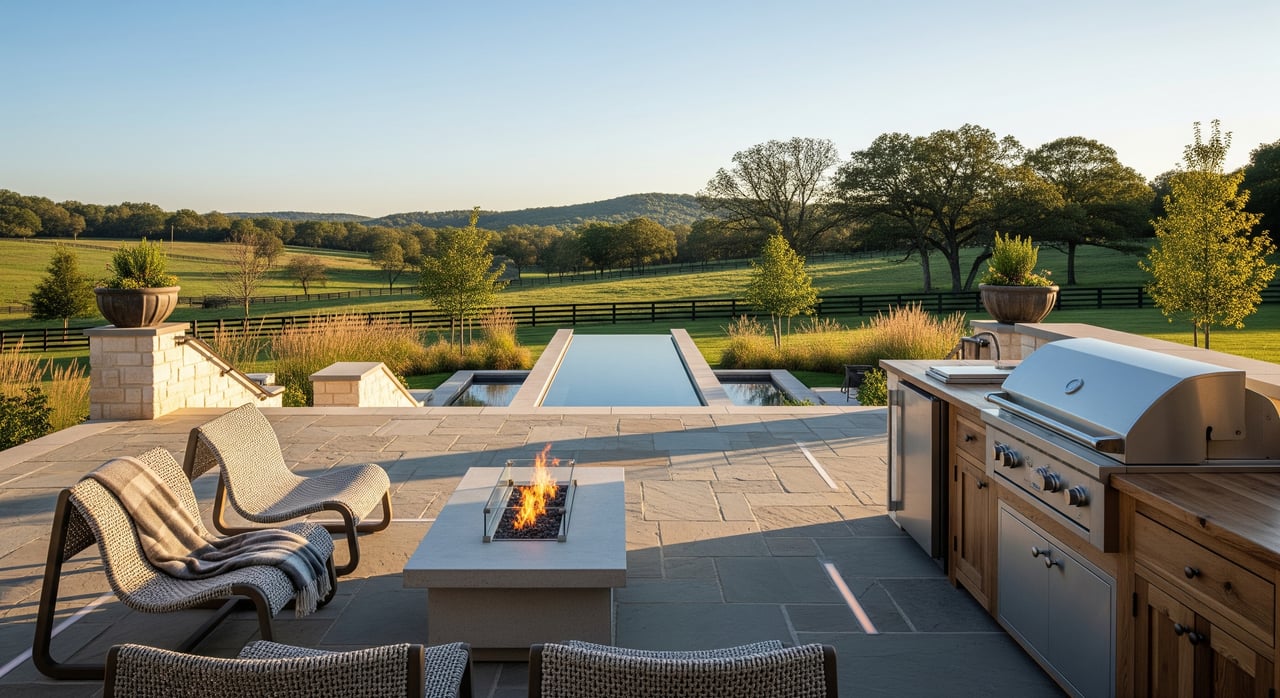
Got a beautiful view but a sloped backyard in College Grove and not sure how to use it? You’re not alone. Many area homes sit on rolling hills, which can be both inspiring and tricky when you start planning outdoor upgrades. In this guide, you’ll learn how to turn slope into an asset with terraces, drainage‑smart design, native planting, realistic budgets, and the permits you need. Let’s dive in.
Why rolling hills are an asset
Terraced patios, split levels, and view‑oriented seating can turn elevation changes into outdoor rooms with character. In communities that attract luxury buyers, resort‑style amenities are common expectations, especially around The Grove and Troubadour. Recent coverage of the local market notes the area’s high‑end appeal and estate‑scale amenities, which influence buyer wish lists and finish levels in College Grove.
Climate also works in your favor. College Grove sits in USDA Zone 7b with warm, humid summers and mild winters, which supports long outdoor seasons and a broad plant palette for ZIP 37046. Design with summer shade, stormwater management, and freeze‑thaw durability in mind.
Start with rules and site
Confirm county permits
Before you sketch layouts, confirm what needs a permit. In Williamson County, decks, covered porches, outdoor kitchens with plumbing or gas, pools, electrical runs, and many retaining walls typically require permits and inspections. Start with the county’s Building Codes/Permits resources to understand submittals and timelines on the permits page. The county has adopted current International Codes, and complex work may require engineered plans under adopted codes.
Protect septic and well areas
Many College Grove homes use on‑site septic. You should not build patios, decks, pools, or heavy hardscape over the tank or absorption field, and you should avoid compacting soil above it. Verify the exact locations and setbacks with the county’s Sewage Disposal Division before you design.
Get HOA approval early
If you live in a gated community, exterior changes often require Architectural Review. Expect rules for materials, lighting, grading, and accessory structures, plus formal approvals. Submit early and plan your schedule around committee timelines as outlined by The Grove’s review process.
Design strategies for slopes
Terrace to create flat zones
Work with the land, not against it. Terraced or split‑level patios reduce heavy grading, limit erosion, and create defined zones for cooking, dining, and lounging. Thoughtful steps and low walls can frame views and make circulation natural and safe.
Plan drainage before hardscape
On hillsides, water takes the easiest path. Direct roof and surface runoff away from foundations, patios, and septic fields. Use gentle grading, swales, or dry creek features planted with moisture‑tolerant species. Getting drainage right first protects your investment and your home.
Size retaining walls safely
Even modest slopes can require structural support. Smaller gravity walls may be sufficient with proper base and back‑drainage. Taller or more complex walls often need engineering and county review, following the International Codes adopted locally by Williamson County. When in doubt, get a licensed engineer involved.
Choose climate‑ready materials
Middle Tennessee’s humidity and occasional freeze‑thaw cycles call for frost‑resistant pavers or natural stone, and corrosion‑resistant finishes on outdoor appliances. Composite or properly treated decking helps with longevity. Match finishes to your home’s architecture and neighborhood standards.
Popular features and budgets
Outdoor kitchens and cooking
Built‑in grills, refrigeration, and sinks are popular for everyday meals and weekend hosting. Costs vary widely based on scope and materials. National data show typical ranges from about $6,300 to $27,000, with custom installations going higher per HomeAdvisor’s 2025 update. Budget for utilities, ventilation, and permits.
Fire, shade, and lighting
Covered patios, pergolas, and fire features extend your season and comfort. Landscape lighting improves safety and ambiance. These upgrades often deliver strong lifestyle value at moderate cost, especially when integrated with terraces and planting.
Pools, spas, and screened rooms
In luxury pockets of College Grove, buyers expect resort‑style outdoor living. Pools, spas, and screened porches can be smart when they fit the lot, align with HOA standards, and are engineered for slopes. Keep septic setbacks and drainage in mind from the start.
Resale signals to watch
Well‑designed patios, screened porches, decks, and outdoor kitchens are consistently noted for homeowner satisfaction and potential value impact, though returns vary by home and neighborhood. Calibrate finishes and scope to nearby comps and buyer expectations as summarized by BHG’s value guidance.
Native planting and upkeep
Right plant, right place
On slopes, choose deep‑rooted groundcovers, native grasses, and shrubs that stabilize soil and fit sun and moisture conditions. Start with local, vetted lists and match species to your site using UT’s Right Plant resources and Williamson County’s native plant guidance.
Water‑wise irrigation basics
Group plants by water needs, mulch beds to reduce evaporation, and favor drip irrigation in planting areas. These basics work well in our Zone 7b climate documented for College Grove and help keep maintenance manageable year round.
Step‑by‑step planning checklist
- Map constraints first: property lines, slopes, mature trees, and especially septic tank and field locations. Confirm records with the county’s Sewage Disposal Division before you place features.
- Check approvals early: contact your HOA’s Architectural Review if applicable for submittal requirements.
- Confirm permits: call Williamson County Building Codes to verify what your project requires on the permits page.
- Get professional design help: for sloped sites, engage a landscape architect, and use a licensed engineer for larger walls or complex grading in line with adopted codes.
- Align budget with scope: outdoor kitchens and grading vary widely in cost; plan utilities and a contingency using national benchmarks like HomeAdvisor’s guide.
- Finalize planting and irrigation: prioritize natives and slope‑smart species with UT and county resources from these native plant guides and Right Plant tools.
Bring it all together
When you design to the land, the hill becomes the hero. Terraces, drainage‑smart hardscape, and native planting can turn College Grove’s rolling topography into outdoor rooms that live beautifully and photograph well for resale. Align your plans with county rules, HOA standards, and neighborhood expectations, and you’ll create value you feel now and capture later.
If you’re weighing which upgrades will pay off for your specific home and price point, reach out. With decades of results in Williamson County, Mary Brown can help you scope, prioritize, and connect with trusted pros to get it done right.
FAQs
Do I need a permit for a paver patio or small fire pit in Williamson County?
- Minor ground‑level paver patios may not need a building permit, but gas lines, electrical, or permanent fire features often do, and you should verify requirements with county Building Codes and your HOA.
Can I build a patio or deck over my septic field in College Grove?
- No, you should avoid any hardscape or deep‑root plantings over the soil treatment area and confirm septic locations and setbacks with the county before designing.
What plants handle College Grove’s slopes and summers?
- Choose native trees and shrubs along with deep‑rooted groundcovers and grasses suited to Zone 7b, and match each plant to your site’s sun and moisture conditions.
Will an outdoor kitchen or terrace add resale value in College Grove?
- Well‑planned outdoor living spaces are in demand and can recoup a meaningful portion of cost, but returns depend on quality, scale, and neighborhood expectations; align scope to nearby comps in luxury areas for best results.